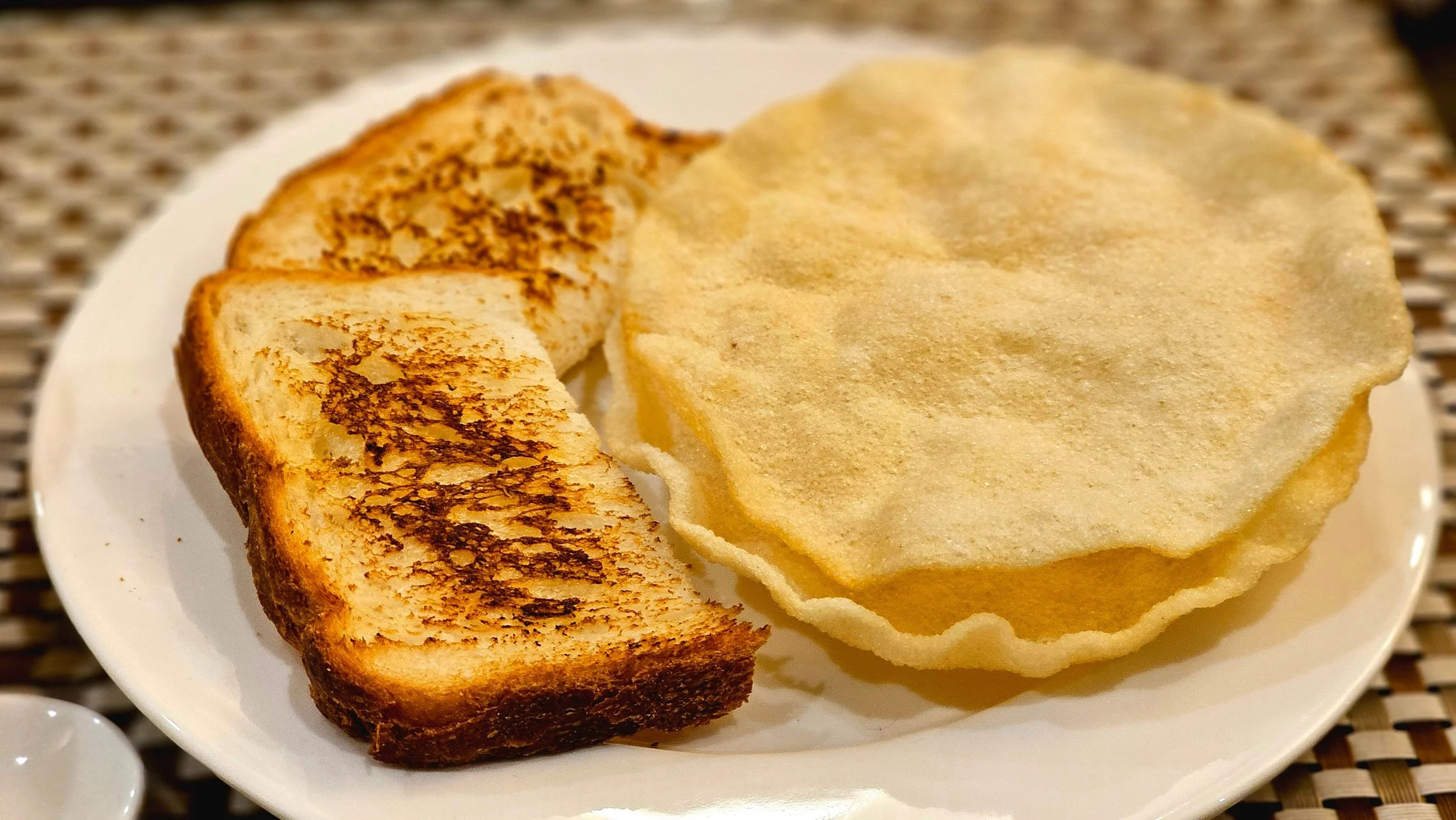
When people talk about food preferences, the conversation usually centres on taste: sweet, salty, bitter, spicy. But for a lot of ADHD, Autistic, and AuDHD brains, taste isn't the deciding factor at all. Texture is.
Texture Can Override Taste Completely
Oral sensory processing, how the mouth perceives texture, temperature, and sensation, works differently for a lot of neurodivergent people. A food can taste perfectly fine and still feel genuinely unbearable to eat, mushy, slimy, mixed, or unpredictable textures can trigger a much stronger reaction than flavor ever could. This is why a food someone "liked" yesterday might feel impossible today if the texture is slightly off, or why foods that blend multiple textures together (think casseroles or salads) can feel harder to manage than something simple and predictable.
This Isn't Pickiness
Texture sensitivity gets dismissed as being a picky eater more often than almost any other sensory experience. But this isn't about preference or stubbornness, it's a nervous system response to real sensory input. Reactions like gagging, immediate refusal, or distress aren't exaggerated, they're the body's genuine response to something that feels intolerable.
Why This Matters More in Adulthood Than People Expect
Texture sensitivity doesn't disappear with age. A lot of adults quietly manage a fairly limited list of "safe" foods, foods with predictable, tolerable textures, without ever naming it as a sensory issue, just assuming it's a personal quirk or something to feel embarrassed about.
What Actually Helps
Instead of trying to push past texture sensitivity through exposure or willpower, it helps to build a food routine around what's actually tolerable: leaning into safe, predictable textures rather than treating them as a limitation to overcome, trying texture modifications (cooking a food differently can sometimes change how tolerable it is) rather than abandoning a food entirely, and giving yourself permission to eat the same safe foods repeatedly without needing to diversify just because that's what's expected.
Understanding texture sensitivity as a real sensory experience, not a character flaw, is often the first step toward having a less stressful relationship with food.
This post is for general educational purposes and isn't a substitute for personalized care. If you're navigating this on your own and want more individualized support, we'd love to help, see the consultation info below.
Ready to Talk to Someone Who Understands?
At Willow Creek Counselling, we work with adults who are navigating life with ADHD, AuDHD & Autism, including those who have just received a diagnosis and are trying to make sense of what it means. Our approach is neurodiversity-affirming, which means we start from the belief that there is nothing wrong with the way your brain is wired. All of our therapists also have lived experience being neurodivergent themselves.
If you're looking for a space to process all of this, feel free to book a free 15 minute consultation with one of our therapists. We are here to support.
— Devyn Eadie, MACP, RP | Registered Psychotherapist & Clinic Owner
Further Reading
Food Texture Sensitivity: ARFID, Autism & Sensory Eating, Hypersensitivity to Food Tastes, Smells and Textures
Tools That May Help
Note: the resources below are ones I've created myself. They're entirely optional and have no connection to the care you receive in therapy.
NeuroCompass, my free planner and toolkit app for neurodivergent minds, includes a Meal Planner and Sensory Profile tool that can help you track and plan around your own texture and sensory preferences.
