Rebuilding Structure After Summer: An ND-Affirming Approach to Fall Routines
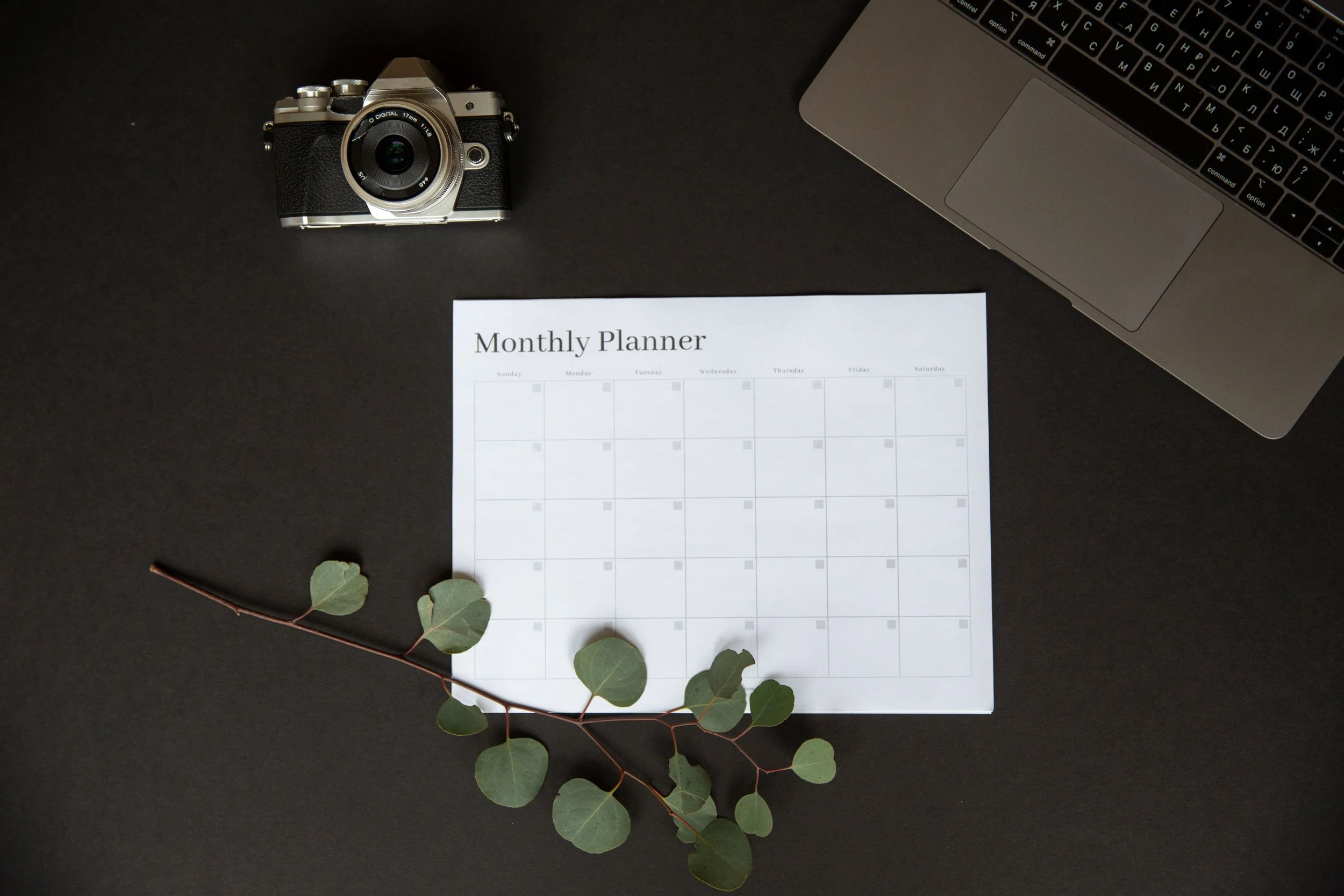
Summer has a way of loosening everything. Schedules get looser, bedtimes drift, and the structure that usually holds your week together quietly disappears. Then September hits, and suddenly you're expected to snap back into a routine like the last two months didn't happen.
If that transition feels disproportionately hard, you're not imagining it, and you're not doing anything wrong. For ADHD, Autistic, and AuDHD adults, rebuilding structure after a stretch of unstructured time isn't just a matter of willpower. It's a real shift your brain has to make, and it deserves an approach that works with how you're actually wired, not a countdown to "get it together."
Why This Transition Is Genuinely Harder for ND Brains
Executive function, the mental skillset behind planning, starting tasks, and managing time, is already an area many ADHD, Autistic, and AuDHD adults find effortful. Rebuilding a routine from scratch asks a lot of that same system all at once: remembering what used to work, initiating new habits, and holding a new schedule in mind before it's automatic.
Add in time blindness, a common experience where time doesn't feel concrete until you're already in it, and it makes sense that "just get back into a routine" feels like a much bigger task than it sounds. This isn't about motivation. It's about the actual cognitive load of switching from an unstructured season into a structured one.
Rebuilding, Not Snapping Back
The idea of "snapping back" into routine assumes you should be able to pick up exactly where you left off before summer, instantly and fully. That's not usually realistic for any brain, and it's an especially high bar for a brain that processes transitions differently.
A more sustainable approach is to think of this as rebuilding, not returning. You're not failing to bounce back, you're constructing something new, and that takes a little time regardless of how capable you are.
A Few Places to Start
Pick one or two anchor points, not a full schedule. Trying to rebuild an entire daily structure at once is a lot to hold. Start with one or two fixed points in your day, a wake time, a specific time you check your planner, then let the rest build around those anchors gradually.
Make time visible. Since time blindness makes schedules hard to feel until they're happening, visual tools help close that gap, a wall calendar, a visible timer, or a daily time-blocked layout you can actually see rather than one that only exists in an app you have to remember to open.
Build in low-friction versions of habits first. A "full" morning routine might be too much to restart all at once. A smaller version, even just one piece of it, done consistently, tends to stick better than an ambitious version that gets abandoned after a few days.
Plan around energy, not just time. A routine that assumes the same energy and focus every day will keep breaking. Build in flexibility for lower-capacity days, so an off day doesn't feel like the whole system failed.
Use body doubling if starting alone is the hardest part. For a lot of ADHD and AuDHD brains, the hardest part of a routine isn't the task itself, it's starting it alone. Working alongside someone else, even virtually, can lower that barrier significantly.
You Don't Have to Rebuild It All at Once
Structure doesn't need to come back all in one week. A routine built gradually, in a way that actually fits how your brain works, tends to hold up far better than one forced into place overnight and abandoned by October. Give yourself the same patience you'd offer someone else rebuilding something from scratch, because that's exactly what you're doing.
This post is for general educational purposes and isn't a substitute for personalized care. If you're navigating this on your own and want more individualized support, we'd love to help, see the consultation info below.
Ready to Talk to Someone Who Understands?
At Willow Creek Counselling, we work with adults who are navigating life with ADHD, including those who have just received a diagnosis and are trying to make sense of what it means. Our approach is neurodiversity-affirming, which means we start from the belief that there is nothing wrong with the way your brain is wired.
If you're looking for a space to process all of this, feel free to book a free 15 minute consultation with one of our therapists by clicking the book now button below. We are here to support.
— Devyn Eadie, MACP, RP | Registered Psychotherapist & Clinic Owner
Further Reading
Understood.org: ADHD and Time Blindness
ADDitude: Prefrontal Cortex & Executive Functioning Skills in ADHD Brains
Tools That Might Help
If you want more structured support with this, my free NeuroCompass app has a Planner built around how ND brains actually process time, and my Executive Function Workbook walks through building sustainable routines in more depth.
(These are optional. Using them, or not, has no bearing on your care at Willow Creek.)
