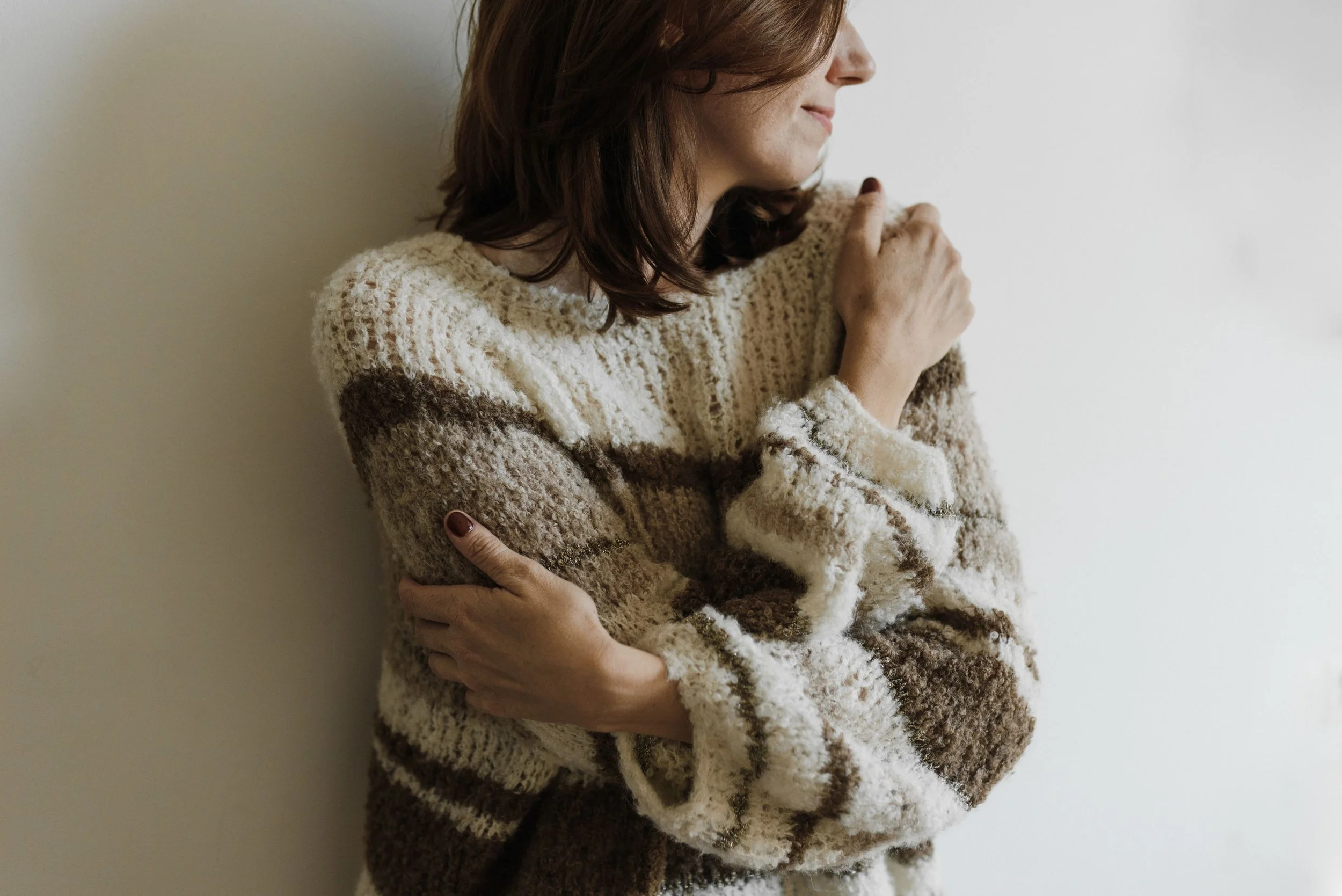
Halloween asks a lot of a nervous system all at once. Scratchy costumes, flashing lights, unpredictable noises, crowded streets, and a night full of social scripts you're expected to follow on cue. For ADHD, Autistic, and AuDHD adults, that combination can turn a holiday that's supposed to be fun into something exhausting to get through.
You're allowed to enjoy Halloween on your own terms, including terms that don't involve pushing through sensory discomfort just to seem festive.
Costumes: Comfort Over Concept
A costume that looks great in your head can be unbearable on your skin. Stiff fabric, tags, tight collars, masks, and itchy seams are common triggers, and none of them are worth toughing out for a few hours.
A few adjustments that help: choose soft, breathable fabrics like cotton or fleece over sequins, lace, or stiff polyester, cut out tags before wearing anything, and layer a familiar soft shirt or leggings underneath so only soft fabric touches your skin. If a mask or headpiece feels restrictive, skip it, a simple accessory like ears or face paint (if that's tolerable for you) can carry a costume just as well.
The goal isn't to find the most "acceptable" costume. It's to find one you can actually wear.
Parties and Crowds: You Get to Set the Terms
Loud parties and crowded trick-or-treating routes are a lot of unpredictable input at once, noise, lighting, physical closeness, and social demands layered on top of each other. A few ways to make that more manageable:
Give yourself an exit plan before you arrive, not just a vague "I'll leave if it's too much," but an actual plan, a time, a signal to a friend, or transportation you control.
Bring tools that help you regulate, earplugs or noise-canceling headphones, a fidget, sunglasses if lighting is harsh. Using them isn't a failure to cope, it's the accommodation working as intended.
Consider low-crowd alternatives, handing out candy from your porch instead of walking a packed route, hosting a smaller gathering with people who already understand your needs, or skipping the crowd-heavy parts entirely and doing something else that still feels like the holiday to you.
You Don't Owe Anyone a Mask
A lot of Halloween pressure isn't sensory, it's social: performing enthusiasm, forcing eye contact through a costume, or staying somewhere overstimulating because leaving feels rude. That kind of masking has a cost, even when it's invisible in the moment.
It's okay to leave early. It's okay to skip an event altogether. It's okay for your version of Halloween to look nothing like anyone else's, a quiet night in your comfiest clothes counts just as much as a costume party does.
The Bottom Line
Halloween doesn't have to be endured to be enjoyed. Building in sensory accommodations and permission to opt out isn't lowering the bar, it's what actually makes the holiday accessible to you in the first place.
---
This post is for general education and isn't a substitute for individualized support. If sensory or social overwhelm is affecting your daily life beyond the holiday season, a therapist can help you build strategies suited to you.
You Don't Have to Keep Figuring It Out Alone
At Willow Creek Counselling, we support adults with ADHD, Autism, and neurodivergence. Our approach is neurodiversity-affirming, which means we're not here to help you "fix" the way your brain works. We're here to help you understand it, work with it, and build a life that actually fits you.
If any of this resonated with you, we'd love to connect. Feel free to book a free 15 minute consultation with one of our neurodivergent-affirming therapists. No pressure, just a chance to see if we're a good fit.
— Devyn Eadie, MACP, RP | Registered Psychotherapist & Clinic Owner
